A park is more than a collection of playground equipment. A kayak launch is more than a place to enter the water. And a community event is more than a date on the calendar.
But sometimes, that's exactly how these projects appear on paper.
Throughout my work in Mercer County, I've written grants for parks, kayak launches, community events, organizational operations, and other initiatives designed to make our communities stronger. Each project had its own purpose, budget, and set of measurable outcomes. But I've always believed that one of the most important parts of a successful grant application is something that doesn't fit neatly into a spreadsheet: the story.
Because behind every project is a community of people who will experience its impact.
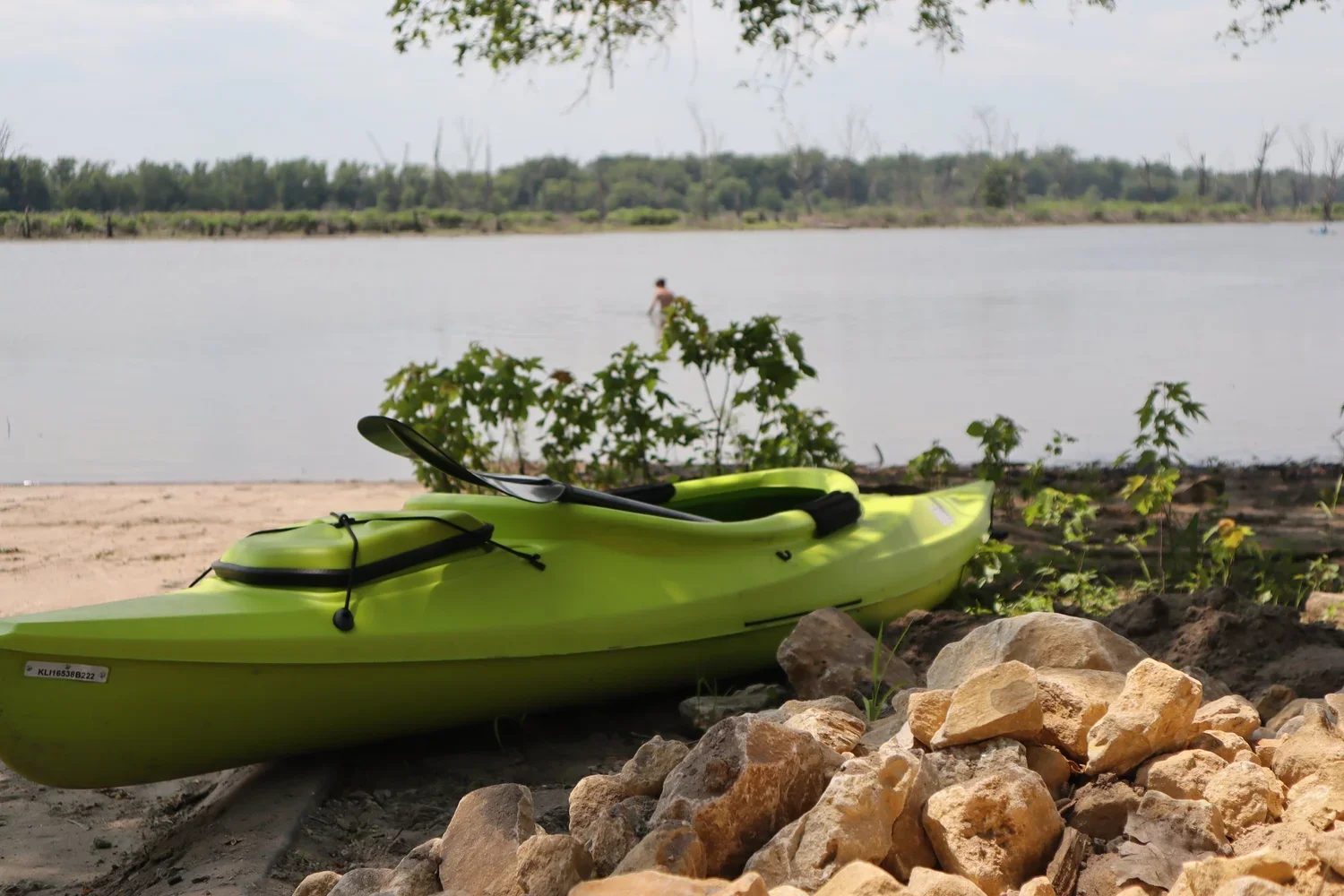
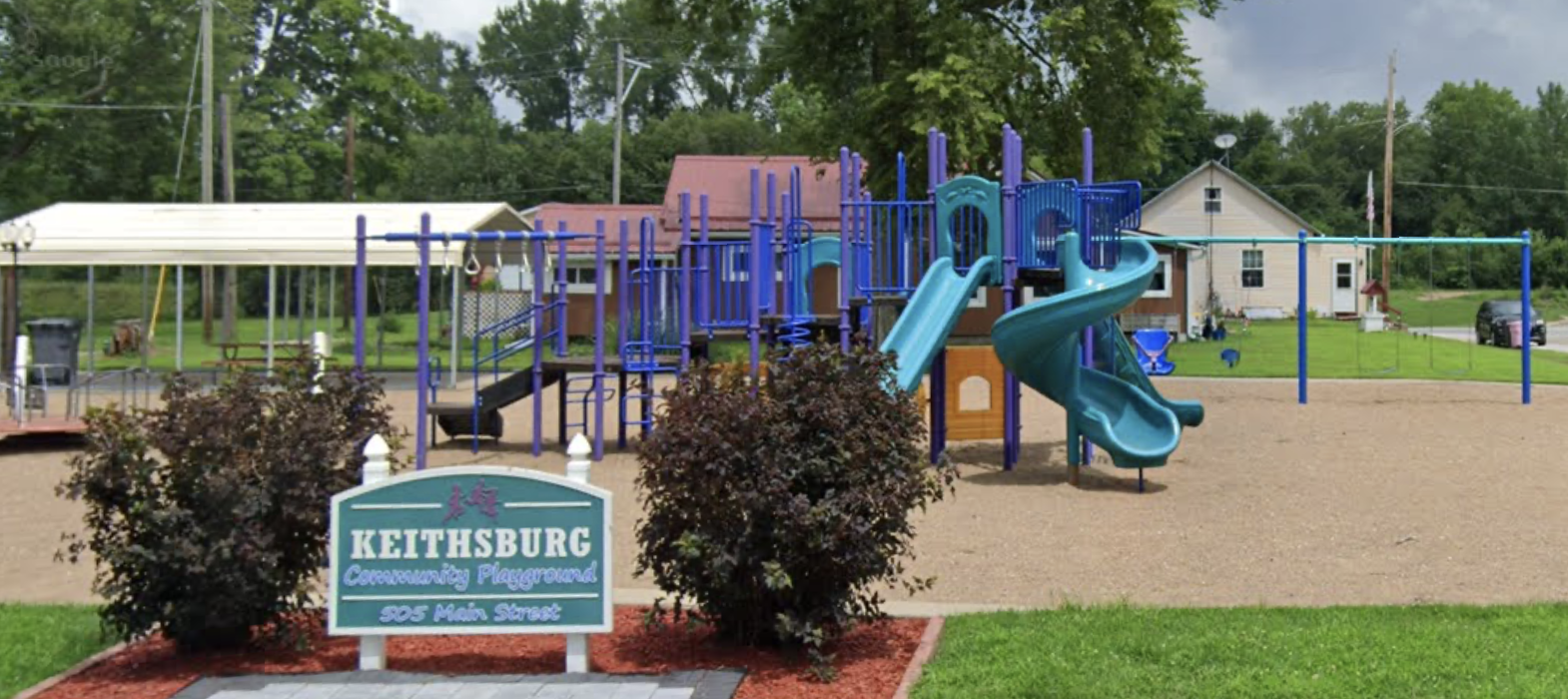
A new park isn't simply an investment in recreation. It's a place where children will make memories, families will gather, and neighbors will find reasons to spend time together. A kayak launch isn't just an infrastructure improvement. It's an invitation to experience a river that has shaped a community's identity for generations. And funding for organizational operations isn't simply keeping the lights on. It's sustaining the people and programs that make meaningful work possible.
Those are the stories that help a project come to life.
When we work closely with a project, it's easy to forget that the person reviewing a grant application may know very little about the community we're describing. They haven't attended the planning meetings, walked the proposed project site, or listened to residents explain why the investment matters. They don't necessarily know the history of the place or the people who will benefit.
All they have is what we put in front of them.
That's why storytelling matters.
A grant application needs credible research, realistic budgets, clear objectives, and measurable outcomes. Those elements establish whether a project is feasible and aligned with a funder's priorities. But storytelling helps explain why anyone should care. It gives context to the numbers, character to the community, and meaning to the proposed investment.
And while grant applications are often evaluated against formal criteria, they're still read by people. People who understand relationships, recognize challenges, and connect with the experiences of others. A compelling narrative doesn't replace evidence; it helps make that evidence understandable and memorable.
In my experience, the strongest grant applications don't simply describe what an organization wants to build or accomplish. They help the reader understand what life looks like before the project, what could become possible because of it, and why that change matters to the people who call the community home.
That's where storytelling becomes a strategic tool.
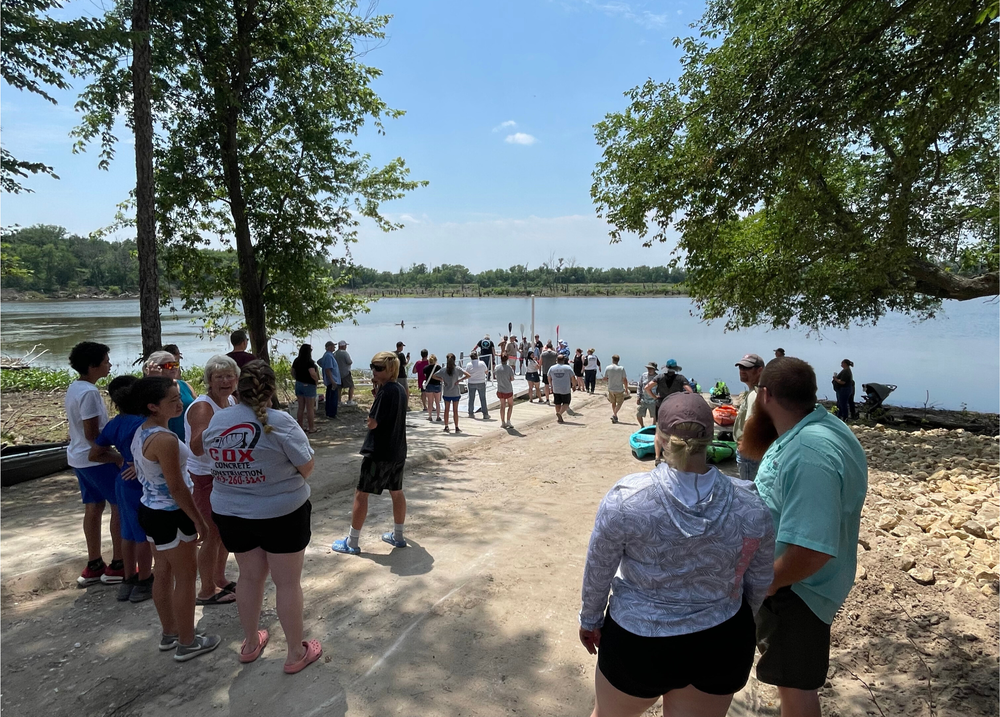
Through interviews, community conversations, research, and thoughtful writing, KLC Studio works to uncover the human story behind a proposed investment. We look beyond the project description to understand the place, the people, and the possibilities. Then we bring those elements together in a narrative that connects community needs with a funder's mission and priorities.
Of course, a good story alone doesn't guarantee funding. But a well-told story, supported by sound research and a thoughtful plan, can help a reviewer see a project as more than a request for money. It becomes an opportunity to participate in something meaningful.
Because sometimes, the difference between understanding what a project is and understanding why it matters is simply the story we choose to tell.
